

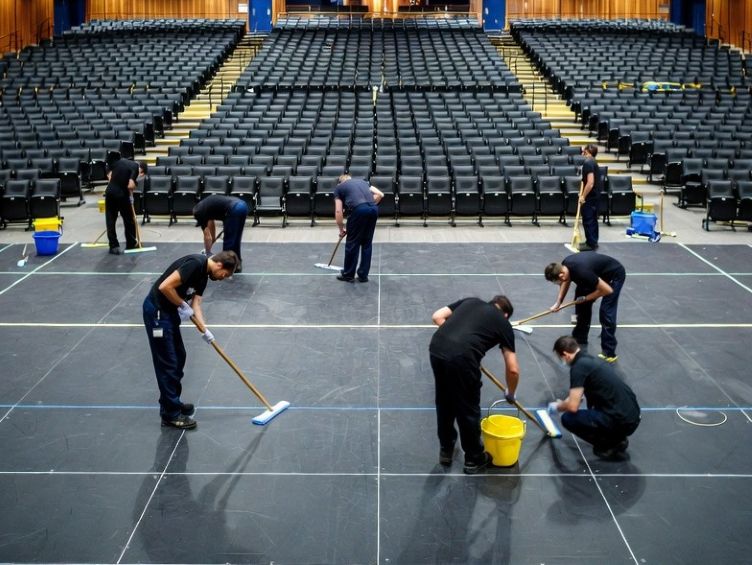
Large public venues can host tens of thousands of visitors in a single night, and according to the International Association of Venue Managers (IAVM), high foot traffic is one of the leading causes of rapid surface wear in event spaces. Before the music plays, the venue must shine, and that shine is rarely accidental. It is planned, scrubbed, and sometimes fought for after a long night of spilled drinks and muddy shoes.
Ask any facility manager and they will tell you, floors take the biggest beating. Between soundchecks, food vendors, and crowds moving like waves, tiles absorb more than just footsteps. That is why many venues rely on professionals who regularly clean tiles as part of their maintenance routine. It is not just about appearance, it is about keeping the space safe, hygienic, and ready for the next act.
High-Traffic Wear and Tear
Concert season feels exciting from the outside, flashing lights, bass in your chest, crowds singing in sync. Behind the scenes, it is a different story. Floors dull quickly. Grout lines darken. Small cracks appear where thousands of shoes pass over the same spot.
Materials like ceramic and porcelain tiles are durable, but they are not invincible. Dirt and grit act like sandpaper underfoot. Over time, that friction can strip away protective finishes. The U.S. Environmental Protection Agency (EPA) even notes that abrasive particles tracked indoors can significantly reduce the lifespan of flooring materials.
There is also the unpredictability factor. One night it is soda spills, the next it is beer, and occasionally something stickier that nobody wants to identify. These build-ups are not always visible right away, which makes routine inspection and cleaning essential.
Post-Event Sanitation Strategies
Once the crowd leaves, the real work begins. Cleaning crews move in like a quiet second performance, armed with mops, scrubbers, and a surprising amount of patience. Timing matters. The faster spills are addressed, the less likely they are to stain or damage grout.
Many venues follow structured cleaning protocols inspired by organizations like the Centers for Disease Control and Prevention (CDC), especially after the pandemic reshaped sanitation standards. High-touch surfaces get priority, but floors are never ignored. While crews scrub and sweep, venue designers are often planning other elements, like how lighting and music work together to shape the audience experience, drawing on insights from behind-the-scenes resources to make spaces feel just right.
There is a rhythm to it. First, debris removal, think cups, wrappers, and the occasional lost shoe. Then comes deep cleaning, where machines scrub tiles and lift embedded dirt. Finally, drying and inspection. It sounds straightforward, but in a large venue, this process can take hours.
One facility manager once joked that the floor tells the story of the night better than any social media post. Sticky patches, scuff marks, even glitter trails, they all need attention before the next event rolls in.
Safety Standards for Public Venues
Clean floors are not just about aesthetics. They are a safety requirement. Slippery surfaces increase the risk of falls, especially in dim lighting conditions common at concerts. Regulatory bodies like the Occupational Safety and Health Administration (OSHA) emphasize the importance of maintaining clean, dry walking surfaces in public spaces.
It is easy to overlook how quickly a small spill can become a hazard. A bit of spilled beer near the entrance can turn into a slick patch after hundreds of people step through it. Regular tile maintenance reduces these risks and helps venues stay compliant with safety guidelines.
There is also the performer’s perspective. Artists and crew members rely on stable footing during setups and performances. A clean stage area can make a real difference, especially when equipment is heavy and movement is constant.
Long-Term Maintenance Planning
Short-term cleaning is only part of the equation. Venues that last understand the value of long-term planning. Scheduled deep cleaning, sealing of grout lines, and periodic inspections help prevent bigger issues down the line.
Some venues even track wear patterns. High-traffic zones like entrances and concession areas receive extra attention. It is a bit like rotating tires on a car, except the stakes involve safety and reputation.
Investing in proper care also saves money. Replacing damaged tiles or redoing entire sections of flooring is far more expensive than maintaining them. This is where consistent efforts to maintain and clean tiled surfaces come into play, keeping everything functional and presentable without constant repairs.
And yes, there is a bit of pride involved. A well-kept venue feels different. You notice it when you walk in, even if you cannot quite explain why.
Conclusion
Concert season brings energy, excitement, and crowds that venues depend on. It also brings mess, wear, and the constant challenge of keeping spaces safe and inviting. From managing heavy foot traffic to handling post-event cleanups, the effort behind the scenes is relentless.
Venues that prioritize upkeep, especially those that regularly clean tiles, set themselves apart. They create environments where audiences feel comfortable and performers can focus on their craft. It is not glamorous work, but it is essential. And honestly, when the lights go up and the floor still looks good, that is a kind of quiet success worth celebrating.